
SEO is critical for the success of any online company. Every webmaster should understand what SEO is, how it works, and the traffic potential it can provide for every website type.
In this SEO guide, you’ll discover:
What is SEO?
Why is SEO important?
An introduction to SEO for beginners
Best way to learn how SEO Works
SEO and Digital marketing
What is Search Engine Optimization (SEO)?
SEO is a type of optimization that refers to the process of improving the visibility of your website in search engines and gaining more visitors. It’s a set of rules for optimizing your website so that it may rank higher in search engine organic results. It’s how you go about increasing the visibility of your website in search engines and attracting more visitors.
The two primary aims of SEO are to assist you in determining what Internet users are looking for and creating high-quality content that meets their expectations. The second goal is to help you develop a website that search engines can index and comprehend.
Following good SEO techniques, on the other hand, is a wonderful approach to raise the quality of a website by making it more user-friendly, quicker and easier to use.
The following are the most essential SEO activities:
- Determine what people are looking for that is associated with your product or service.
- Creating content that makes people pleased
- Using multiple SEO tactics, you may provide the right signals to search engine crawlers and algorithms.

The SEO framework is a complete structure because it includes all of the phases, rules (or guidelines), stages, and controls that make up the process.
Why is SEO so crucial?
SEO marketing is more essential than ever in today’s competitive market.
The popularity of search engines has increased dramatically in recent years, as the number of queries has grown considerably. Today, hundreds of millions of people use search engines on a daily basis to discover answers to their questions or solutions to their issues.
If you have a website, blog, or e-commerce store and want to attract targeted traffic from search engines, SEO may assist.
SEO is essential because:
- The majority of search engine users (more than 70% – see graph below) are more inclined to click on one of the top 5 results in the search engine results pages (SERPS). To take advantage of this and acquire visitors to your website, or consumers for your e-commerce store, you need to be listed in one of the top spots
- SEO is not only about search engines; great SEO strategies improve the website’s user experience and usability.
- Having a presence in the top positions for the keywords that users are looking up improves the website’s trustworthiness.
- It’s helpful for enhancing your web site’s social presence. People who discover your website using Google or Bing are more inclined to share it on Facebook, Twitter, and other social media sites.
- SEO is essential for the successful functioning of a large web site. SEO can help both single-author and multi-author sites in a number of ways. Their direct benefit is an increase in organic traffic, while their indirect advantage is having a shared framework (checklists) to use before posting material on the site.
- SEO can assist you in gaining a competitive advantage. If two companies are selling the same product, the search engine optimized website is more likely to have more consumers and make more sales than the non-SEO one.
An introduction to SEO for novices
The above definition may sound complicated for novices in SEO.
SEO is the process of improving your website so that it appears higher in Google, Yahoo, Bing, and other search engines’ search results.
The order in which Google’s results are shown when you do a search is determined by sophisticated algorithms.
Before they decide which webpage will be shown in the first place, second position, and so on, search engine ranking algorithms (also known as search engine ranking factors) consider a number of criteria.
Search engines reward websites that are optimized for them, so optimizing your website for search engines is beneficial.
What are the major phases in the SEO procedure?
As I said previously, SEO is a framework with rules and processes rather than a static process.
SEO may be divided into three types for simplicity: competitive, authority, and internal link.
An overview of SEO
Technical SEO: Technical SEO allows you to ensure that search engines can crawl and index your website without any problems.
On-site SEO: Rules to apply on your site and content to make it search engine friendly.
Off-site SEO: Ways to promote your website or blog so that it can rank higher in search results.
Technical SEO
The first stage in the SEO process is called technical SEO. As the name implies, technical SEO has nothing to do with the actual content of a website or with website promotion methods.
It has to do with settings you need to configure to make the job of search engine crawlers easier. Usually, once you get your technical SEO correct, you may not have to deal with it again.
On the other hand, if you have problems with crawling and indexing, it can negatively impact your rankings.
To perform a technical SEO audit review and ensure that everything is working as expected, read our Technical SEO Guide.
On-site SEO
On-Page SEO Techniques
The second stage is On-Page SEO. On-Page SEO has to do primarily with the content and other elements found on a page.
Unlike technical and off-page SEO, the main focus of on-page SEO is to provide search engine crawlers enough signals so that they can understand the meaning and context of your content.
Remember that search engines don’t read a page like a human so they are looking for signals to figure out what a page is all about.
It is at this stage that you will deal with website structure, SEO keywords, title optimizations, headings, internal links, image SEO, structured data markup, and other techniques that can send the right signals to search engines.
If followed correctly, on-page SEO will also improve the usability and credibility of a website or blog.
Note that content optimization is part of on-page SEO but sometimes this is referred to as Content SEO.
Our On-Page SEO Guide explains the different on-page SEO techniques in detail.
Off-site SEO
The third stage is Off-Page SEO.
Besides the changes, you can do to your website (on-site SEO) so that it ranks higher in the SERPs, the other way to improve your website’s ranking position is by using off-site SEO techniques.
Why is off-page SEO important?
In general, when a user types a search query, search engine algorithms look into their index and try to find the best pages that can satisfy the intent of the user.
Pages that are good candidates appear in the first positions of the search results.
One of the factors to determine the position of a webpage in the results is the number of incoming links (backlinks).
Backlinks are a signal of trust and depending on where the links are coming, they can greatly affect your ranking position.
If the links are coming from well-known and trusted sites, your ranking will be positively affected.
If they are paid links, links in article directories, link farms, or a result of an exchange, your ranking will be negatively affected.
Getting links this way is a violation of Google guidelines and most probably it will also result in a Google Penalty.
What can you do to get more links?
That’s a very good question and I am sure that if you search the Internet for that phrase you will get hundreds of different answers.
You can read this article on how to approach link building but your primary focus not be how to get links but how to create good quality content for your website.
Good content will get you natural links which in turn will give you high rankings and traffic.
If you try to buy links or get them the easy way, you may have temporary success and then see your website disappearing from the top pages after the next Google update.
What is the best way to learn how SEO Works?
The best way to learn how SEO works is to practice SEO.
Besides learning the different concepts and theories, the only way to find out if what you’ve learned works, is to apply the various SEO techniques on a website and monitor your rankings.
If your rankings and organic traffic are increasing, then this means that you are in the right direction. If not, you will have to revise your SEO strategy and action plan.
What is the difference between SEO and Digital marketing?
Some people often ask me “Is SEO the same as Digital Marketing?” The simplest answer I can give is that SEO is one of the tools available in your Digital Marketing arsenal.
SEO can be part of your overall Digital Marketing campaign which normally includes other things like social media promotion, PPC, content strategy, etc.
Search engine optimization is important for the success of any online business. Every webmaster should understand what is SEO, how it works and the traffic potential it can generate for all website types.
In this SEO guide you will learn:
- What is SEO?
- Why is SEO important?
- An introduction to SEO for beginners
- Best way to learn how SEO Works
- SEO and Digital marketing
What is SEO?
SEO stands for Search engine optimization. It is a set of rules for optimizing your website so that it can achieve higher rankings in search engines’ organic results. It’s the process to follow to increase the visibility of your website in search engines and get more traffic.
SEO has two main goals. The first is to help you understand what users are searching for online so that you can create high-quality content to satisfy their intent. The second is to help you create a website that search engines can find, index, and understand its content.
In addition, following good SEO practices is a great way to increase the quality of a website by making it user-friendly, faster, and easier to navigate.
The most important SEO tasks have to do with:
- Identifying what users are searching for that is related to your products and services
- Creating content that will make users happy
- Providing the right signals to search engine crawlers and algorithms through various SEO techniques
SEO can be considered as a complete framework since the whole process has a number of rules (or guidelines), a number of stages, and a set of controls.

Why is SEO important?
In today’s competitive market, SEO marketing is more important than ever.
Search engines serve millions of users per day looking for answers to their questions or for solutions to their problems.
If you have a website, blog, or online store, SEO can help you get free targeted traffic from search engines.
SEO is important because:
- The majority of search engine users (more than 70% – see graph below) are more likely to click on one of the top 5 suggestions in the search engine results pages (SERPS). To take advantage of this and gain visitors to your website or customers to your online store, your website needs to appear in one of the top positions.
- SEO is not only about search engines but good SEO practices improve the user experience and usability of a website.
- Users trust search engines and having a presence in the top positions for the keywords the user is searching, increases the website’s trust.
- SEO is good for the social promotion of your web site. People who find your website by searching Google or Bing are more likely to promote it on Facebook, Twitter, or other social media channels.
- SEO is important for the smooth running of a big web site. Web sites with more than one author can benefit from SEO in a direct and indirect way. Their direct benefit is an increase in organic traffic and their indirect benefit is having a common framework (checklists) to use before publishing content on the site.
- SEO can put you ahead of the competition. If two websites are selling the same thing, the search engine optimized website is more likely to have more customers and make more sales than the non-SEO one.

An introduction to SEO for beginners
For beginners to SEO the above definition may sound complicated.
In simpler terms, Search Engine Optimization is a way to improve your website so that it will appear closer to the top positions in the search results of Google, Yahoo, Bing, or other search engines.
When you perform a search on Google the order by which the returning results are displayed, is based on complex algorithms.
These algorithms (also known as search engine ranking factors) take into account a number of rules before they decide which webpage will be shown in the first position, second position, etc.
Optimizing your website for search engines will give you an advantage over non-optimized sites and you increase your chances of ranking higher.
Watch the video tutorial to learn what is SEO, how it works and why it’s very important.
What are the main stages of the Search Engine Optimization process?
As I mentioned above, SEO is not a static process but rather a framework with rules and processes.
For simplicity though, SEO can be broken down into 3 main types:

SEO Overview
Technical SEO: With technical SEO you can ensure that search engines can crawl and index your website without any issues.
On-site SEO: To make your site and material Search Engine Friendly, follow these guidelines.
Off-site SEO: How to Improve the Ranking of Your Website or Blog in Search Engine Results Pages
Technical SEO
The first step of the SEO process is known as technical SEO. As the name implies, technical SEO has nothing to do with a website’s actual content or promotion strategies.
It’s all about settings that need to be adjusted to make the job of search engine crawlers easier. Normally, after you’ve established your technical SEO properly, you won’t have to worry about it again.
However, if you have difficulties crawling and indexing, your rankings may be harmed.
Read our Technical SEO Guide to perform a technical SEO audit and ensure that everything is in working order.
On-site SEO
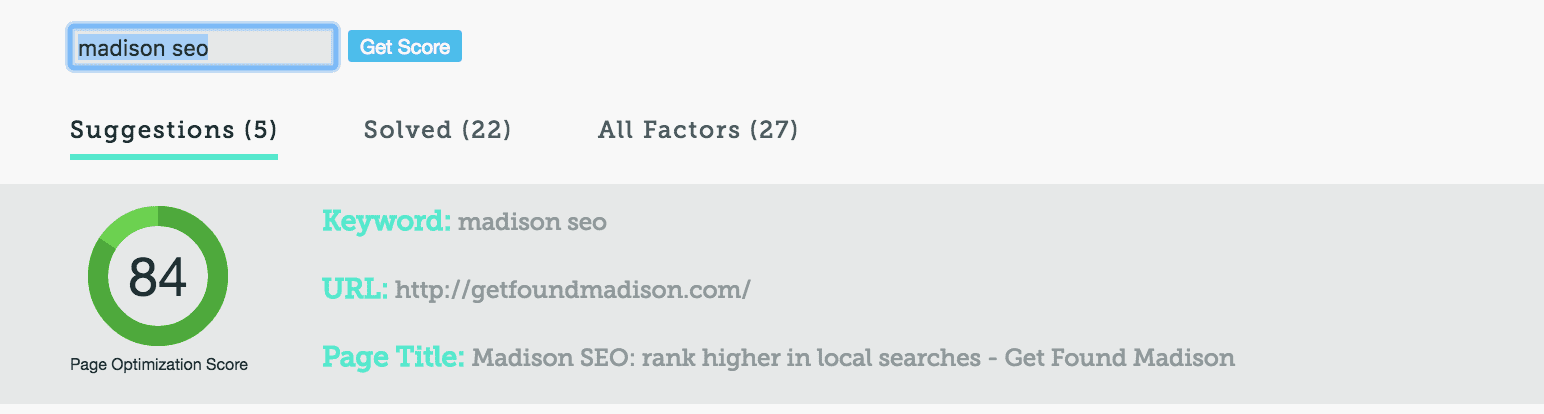
On-page SEO Strategies That Work
The second stage is On-Page SEO, which focuses on the content and other elements on a page. The primary objective of on-page SEO is to ensure that search engine crawlers have enough indications so that they can grasp the significance and context of your material.
Remember that search engines don’t read a page like humans, so they’re hunting for clues to figure out what it’s all about. It’s at this stage that you’ll deal with website structure, SEO keywords, title improvements, headings, internal links, image SEO, structured data markup, and other strategies that may send the right signals to search engines.
On-page SEO may improve a website’s usability and credibility by ensuring that it is optimized. Content optimization is part of on-page SEO, but it is also known as Content SEO.
This post will provide an overview of what on-page SEO is, why it’s important, and how to do it correctly.
Off-site SEO
Off-page SEO is the third stage.
Outside link building, community engagement, and press releases are all examples of off-site SEO. You may also use on-site SEO (changes to your website’s structure) to help it rank higher in the SERPs.
Off-site SEO is often referred to as link building, although I prefer to use the term website promotion because it better represents the many more strategies and methods that are necessary for a successful website promotion.
Why is off-page SEO so essential?
In general, when a user types a search query, search engine algorithms examine the index for the best pages that may fulfill their intent. The first positions in the results are filled with excellent prospects. The number of incoming links (backlinks) is one factor that affects where a webpage appears in the results list.
Backlinks are an indication of trust, and depending on where they’re coming from, they might make a significant difference to your ranking. If the links are from reputable and trusted sites, your ranking will improve. nIf the backlinks are paid links in article directories, link farms, or a consequence of an exchange, your ranking will be penal.
If you’re looking to build backlinks in a respectable way, there are ways that can be both legal and ethical. This is not only against Google’s Terms of Service, but it also has the potential to result in a Google Penalties.
What can you do to increase the number of backlinks?
That is a fantastic question, and I am sure that if you look up that phrase on Google, you will find hundreds of different answers. You may read about how to do link building in this article, but your main attention should be on producing high-quality content for your website.
Natural links will help you gain high ranks and traffic if your content is good. If you try to buy links or obtain them the easy way, you may get a brief boost in rankings that will then be reversed when Google releases an update.
What is the most effective technique to master how search engine optimization works?
The best approach to grasp how SEO works is to practice it.
Aside from understanding the various ideas and theories, the only way to find out if what you’ve learnt is effective is to apply different SEO techniques on a website and track your rankings.
If your rankings and organic traffic are increasing, that is a good sign. If not, you’ll need to make some changes to your SEO strategy and action plan.
What is the distinction between SEO and digital marketing?
People frequently ask me, “Is SEO the same as Digital Marketing?” My first response is that SEO is one of the weapons in your Digital Marketing toolkit. SEO might be part of your entire Digital Marketing plan, which often includes things like social media marketing, PPC, content planning, and so on.
With or without SEO, excellent content is still the most significant success indicator.
Closing this introduction to search engine optimization, you must be clear in your mind that SEO can’t help you if you don’t have excellent content. In other words, if you attempt to SEO a website with poor content, your chances of success are slim. On the other hand, a website with good material may do well whether or not it is SEO.