
The Role of 3D Printing in Modern Manufacturing
In the ever-evolving landscape of modern manufacturing, 3D printing stands as a revolutionary force, reshaping industries and redefining traditional production methods. This transformative technology, also known as additive manufacturing, goes beyond mere innovation; it’s a paradigm shift that promises unprecedented efficiency, customization, and sustainability. As a leading web development company, we prioritize innovation and cutting-edge technologies to deliver exceptional digital solutions.
Understanding the Basics of 3D Printing
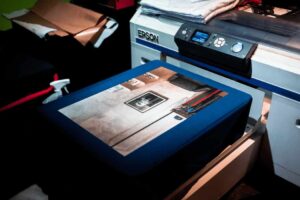
At its core, 3D printing builds objects layer by layer from digital models. This departure from traditional subtractive manufacturing processes enables unparalleled flexibility in design and production. Whether creating intricate prototypes or producing end-use parts, 3D printing allows for a level of precision and complexity previously unimaginable.
Customization and Prototyping
One of the standout features of 3D printing is its ability to facilitate intricate customization. Manufacturers can tailor products to meet specific requirements with ease, allowing for a level of personalization that was once impractical. Prototyping, a crucial phase in product development, has been revolutionized by 3D printing, enabling rapid iterations and significantly reducing time-to-market.
Efficiency and Cost Reduction
Traditional manufacturing often involves subtracting material from a larger block, resulting in significant waste. 3D printing, on the other hand, follows an additive approach, utilizing only the material required for the final product. This not only reduces material waste but also contributes to cost efficiency. The streamlined production process, coupled with the ability to consolidate complex assemblies into a single printed piece, further lowers production costs.
Supply Chain Resilience
The global supply chain is vulnerable to disruptions, as highlighted by recent events. 3D printing introduces a new level of resilience by enabling distributed manufacturing. With the ability to produce components locally, the dependence on centralized production facilities decreases, mitigating the impact of supply chain disruptions and reducing lead times.
Materials Innovation
The range of materials compatible with 3D printing continues to expand, encompassing plastics, metals, ceramics, and even biocompatible materials. This versatility opens the door to diverse applications across industries, from aerospace and automotive to healthcare and fashion. The ongoing research and development in 3D printing materials promise even more breakthroughs, pushing the boundaries of what can be manufactured.
Aerospace Advancements
The aerospace industry has embraced 3D printing with open arms, leveraging the technology to produce lightweight and complex components. The ability to create intricate geometries not achievable through traditional methods has led to enhanced fuel efficiency and overall performance. Furthermore, 3D printing allows for the production of spare parts on-demand, reducing downtime and logistical challenges.
Medical Marvels
In the realm of healthcare, 3D printing has emerged as a game-changer. From patient-specific implants to anatomical models for surgical planning, the technology enables tailored solutions that significantly improve patient outcomes. The rapid prototyping capabilities of 3D printing have also fueled advancements in prosthetics and custom medical devices.
Environmental Impact
As sustainability becomes a focal point in manufacturing, 3D printing offers a more eco-friendly alternative. The reduction in material waste, energy efficiency in production, and the ability to recycle certain materials contribute to a smaller environmental footprint. Manufacturers adopting 3D printing are not only reaping economic benefits but also aligning with global efforts towards sustainable practices.
Challenges and Future Outlook
While 3D printing holds immense promise, challenges such as scalability, material limitations, and post-processing requirements persist. Continued research and development are essential to address these challenges and unlock the full potential of the technology. As advancements continue, 3D printing is poised to become an even more integral part of the manufacturing landscape, with implications reaching far beyond what we can envision today.
Conclusion
The role of 3D printing in modern manufacturing goes beyond being a technological trend; it’s a transformative force driving innovation across industries. From customized products to streamlined supply chains and sustainable practices, the impact of 3D printing is reshaping the way we conceptualize and execute manufacturing processes. As the technology continues to evolve, its role in modern manufacturing will undoubtedly expand, ushering in a new era of possibilities and opportunities.